Pit Lane Outsiders: How a New Wave of Fans Is Rewriting the Rules of Racing Culture
For decades, the image of a motorsports fan looked pretty much the same: a guy in a branded hat, cold beer in hand, maybe a favorite driver's name airbrushed on the back of his jacket. That picture wasn't wrong, exactly — it just wasn't the whole story. And more and more, the people who weren't in that picture are refusing to stay invisible.
A new generation of racing enthusiasts is showing up to tracks, flooding comment sections, and building entire communities around a sport they were never really invited into. They're younger, more diverse, more online — and they're changing motorsports culture in ways the industry is only beginning to understand.
The Algorithm Brought Them Here
Ask almost any young fan under 30 how they got into racing, and there's a solid chance the answer involves a screen. Whether it was a wild Formula 1 crash clip that autoplayed on YouTube, a Drive to Survive binge session on Netflix, or a Twitch streamer commentating over an iRacing league, digital media has become the sport's most powerful recruitment tool.
Jasmine Torres, a 24-year-old content creator from Houston, didn't grow up going to races. "My dad liked soccer. My mom liked telenovelas," she laughs. "Racing wasn't even on my radar until I saw a clip of a pit stop and literally could not believe how fast it was. I went down a rabbit hole and never came back."
Now she runs a racing-focused Instagram account with over 40,000 followers, breaking down race strategy in plain language for people who, like her, came to the sport without a technical background. Her audience skews heavily female and Latino — demographics that traditional motorsports marketing has historically underserved.
"People follow me because I'm not talking down to them," she says. "I don't assume they already know what an undercut is. I explain it like I'm texting a friend."
Old Guard, New Crowd
Not everyone in the industry has been quick to welcome this shift. There's a persistent strain of gatekeeping in motorsports culture — the idea that real fans should be able to recite engine specs and lap records going back thirty years. Anything less, and some corners of the fanbase will let you know about it.
But that attitude is getting harder to sustain when the numbers are moving in the opposite direction. NASCAR has reported growing interest among Black and Hispanic fans over the past several years. IndyCar's social media engagement has climbed dramatically among 18-to-34-year-olds. And grassroots racing events — the kind that happen at local short tracks on Friday nights — are drawing curious newcomers who've never held a racing program in their lives.
Marcus Webb, a motorsports marketing consultant based in Atlanta, sees the shift happening in real time. "The traditional fanbase isn't going anywhere," he says. "But the sport can't survive on nostalgia alone. These new fans aren't just watching — they're buying merch, they're traveling to events, they're creating content that brings in more new fans. That's a flywheel."
More Than Spectators
What makes this wave different from previous moments of expanded interest isn't just the numbers — it's the level of engagement. These fans aren't content to sit in the bleachers and clap. They want to understand the sport, talk about it, debate it, and yes, sometimes argue about it loudly on social media.
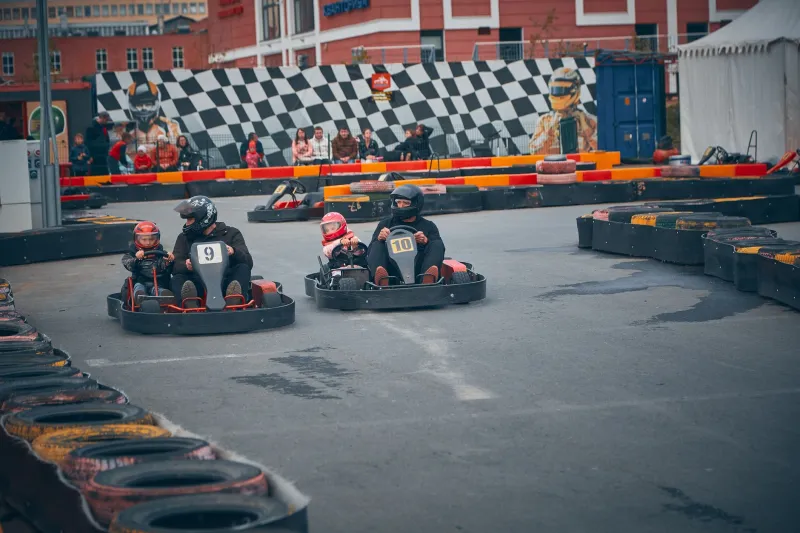
That energy is spilling over into participation. Community racing programs in cities like Detroit, Los Angeles, and Chicago are reporting upticks in interest from young people who discovered motorsports online and want to try karting or sim racing for themselves. Some of them are showing up at volunteer days at local tracks, asking questions, wanting to learn how things work under the hood.
Devin Okafor, a 19-year-old from Detroit who started karting two years ago after watching racing content on YouTube, puts it simply: "I didn't think this was something for people like me. Then I saw people who looked like me doing it. That changed everything."
That visibility loop — diverse fans seeing themselves reflected in coverage, then becoming visible themselves — is exactly what organizations like Races for Unity are trying to accelerate. When the audience expands, the culture expands with it.
Challenging the Stereotypes, One Post at a Time
There's still work to do. The dominant imagery in motorsports advertising, the voices behind most major broadcasts, and the demographics of pit crews and engineering teams don't yet reflect the diversity of the growing fanbase. That gap between who's watching and who's running things is something new fans notice immediately.
"I love the sport," says Torres. "But I also see the ways it doesn't love people like me back yet. That's not a reason to leave — it's a reason to stay louder."
Content creators, fan groups, and community organizations are increasingly filling the gaps that traditional media leaves open — telling stories from the margins, spotlighting drivers and crew members from underrepresented backgrounds, and creating space for fans who don't fit the old template.
And slowly, the sport is listening. Sponsorships are diversifying. Outreach programs are expanding. The conversation is getting bigger.
The bleachers are changing. The pit lane is starting to change too. And the people driving that shift aren't waiting for an invitation — they're already here, already loud, and already building something new.
That's what unity in motorsports actually looks like: not one voice speaking for everyone, but every voice finding a place at the track.