Concrete Dreams: The Neighbors Who Turn Empty Lots Into Race Days
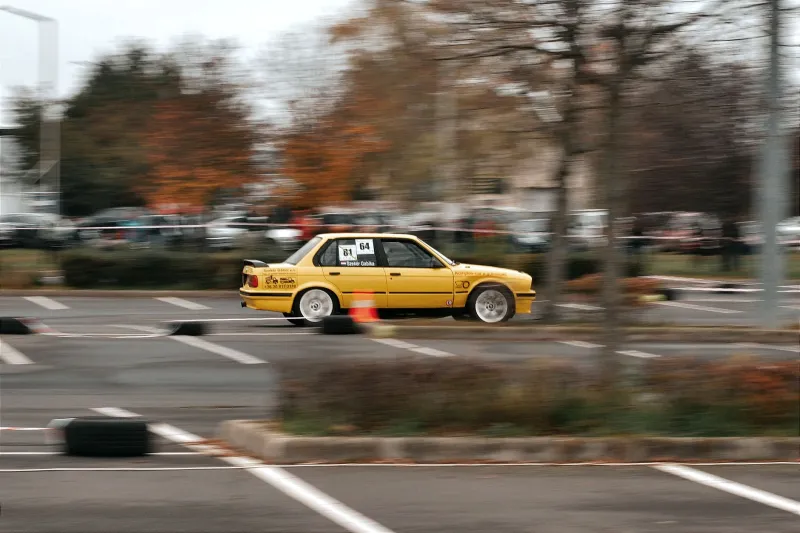
There's a moment—usually around 7 a.m. on a Saturday—when an empty parking lot stops being an empty parking lot. Cones go down in careful arcs. A generator hums to life. Somebody's uncle is already arguing about tire pressure. And just like that, a piece of ordinary American asphalt becomes a racetrack.
Nobody plans this from a corporate office. It happens because someone down the block decided their neighborhood deserved a checkered flag, too.
Detroit: Where a Vacant Lot Became a Lab
Marcus Ellington grew up watching cars cruise Detroit's east side, but he never saw himself in motorsports. "Racing felt like something that happened to other people, somewhere else," he says. So in 2019, he borrowed a PA system from his church, marked out a slalom course in a vacant lot off Gratiot Avenue, and invited anyone with a helmet and a dream.
Six years later, that lot hosts a monthly series that draws families from across Metro Detroit. Kids who've never touched a wrench learn basics at a tech-inspection station staffed by volunteer mechanics. Entry fees? Twenty bucks, waived if you can't swing it. "The barrier to entry is showing up," Ellington laughs. "That's it. That's the whole requirement."
What started as a one-off event now feeds graduates into regional autocross programs—and, in at least two cases, professional licensing schools.
The Suburban Edition: A School Parking Lot With a Waiting List
Twenty-five miles outside of Columbus, Ohio, Dana Whitfield runs her series out of a high school parking lot that the district loans her on weekends. What began as a father-daughter project has become a suburban institution with a waitlist for novices.
Whitfield's innovation is structural: every event pairs first-timers with experienced drivers for guided course walks, and every heat race mixes skill levels on purpose. "You learn more riding shotgun with somebody who's done it for a decade than you will in three solo sessions," she explains. "And the veterans learn something too—they learn who their community actually is."
Her roster reads like a potluck invitation list: nurses, machinists, teenagers, retirees, a Somali-American family who showed up last spring and hasn't missed a weekend since.
Rural Roots: The Fairground Circuit
Out near Dodge City, Kansas, rancher Tom Beasley noticed something his urban and suburban counterparts never had to solve: his problem wasn't a lack of interest, it was a lack of invitation. The county fairgrounds hosted demolition derbies every summer, but the same hundred faces showed up every year.
So Beasley started a beginner class—cheap cars, strict rules, mandatory mentorship—and opened the gates wide. "We put the call out at the feed store, the church, the school," he says. "Told folks if you can drive it to the fairgrounds, we can teach you to race it."
The result is a Saturday series where a wheat farmer's daughter shares a pit row with a kid from the town's newest immigrant family, both of them figuring out carburetors together under fluorescent shop lights.
The Common Thread
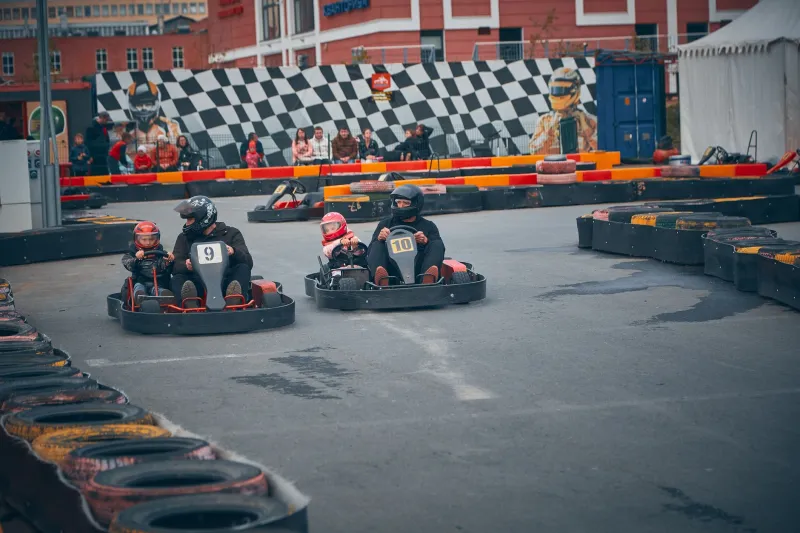
Three organizers, three regions, one shared philosophy: racing doesn't need to be exclusive to be legitimate. Ellington puts it plainly. "People keep asking when we're going to get 'serious.' We are serious. Look around—this is what serious looks like when the whole community shows up."
From a Detroit lot to an Ohio schoolyard to a Kansas fairground, the formula is the same. Find the space. Open the gate. Save everybody a seat on the grid.
One track. Every voice. Full speed ahead.