Forget the Trophy: What Kids Actually Learn in the Pit
Let me say the quiet part loud: we should fund junior racing programs the way we fund Little League.
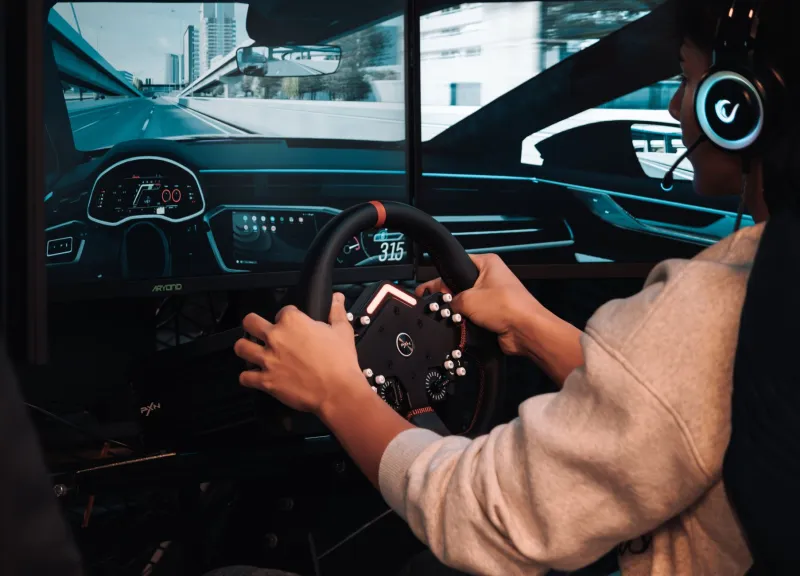
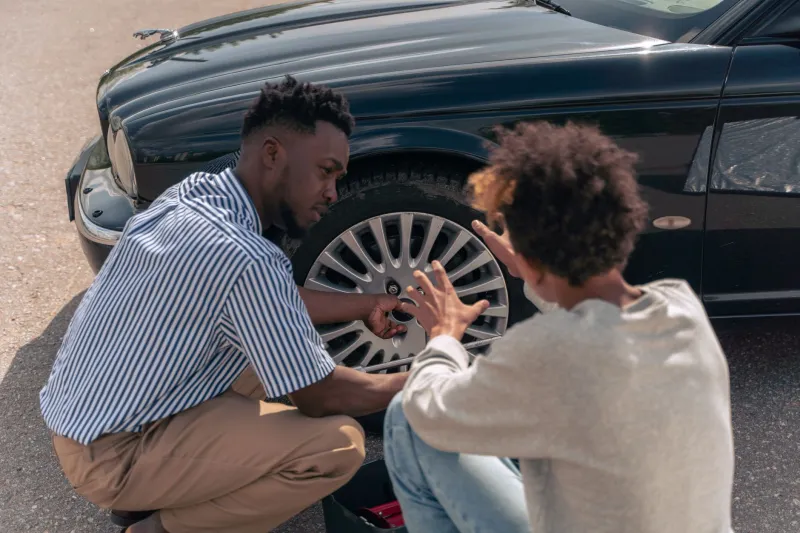
I know how that sounds. Motorsports has a reputation problem—expensive, exclusive, gas-guzzling. But spend one evening with a community racing program's junior crew, and you'll see something that traditional youth sports, for all their virtues, struggle to replicate. You'll see kids learning physics with their hands. You'll see teenagers trusted with real responsibility and rising to meet it. You'll see mentorship that doesn't end when the whistle blows.
The Classroom That Hums
Consider what a race car actually is: a rolling applied-science exam. Gear ratios are fractions you can feel. Tire temperatures are data you gather with a probe and interpret with a chart. Weight distribution is geometry with consequences.
"I watched a kid who was failing algebra explain a stagger calculation to a grown man," says Denise Alvarez, who runs a junior racing program out of a donated garage bay in Fresno. "Nobody called it math. It was just what you do to make the car go faster. He figured out the math because the math mattered to him."
That's the pattern mentors describe again and again: the curriculum hides inside the machine.
Responsibility You Can't Fake
Here's what no other youth sport gives a fourteen-year-old: a component that must work, under scrutiny, in front of people. A dropped pass gets forgiven. A torqued-wrong wheel hub does not.
Program alumni tell me this is the lesson that stuck. Marcus Webb, now a diesel technician trainee, joined a junior program at thirteen after getting suspended twice from school. "First time in my life somebody handed me something real and said, don't break it, and also, we believe you won't," he recalls. "That second part? Nobody had ever said that to me."
Webb's suspension record, for what it's worth, ended that season.
The Team Nobody Sits On the Bench From
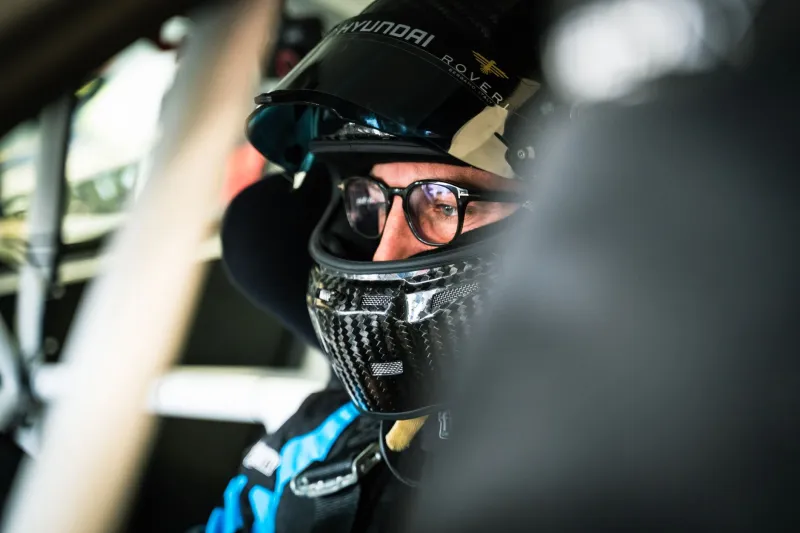
Racing crews are the anti-bench. Every kid has a job—fuel, timing, chassis, tires—and every job is load-bearing. There's no star system to hide behind and no bench to rot on. Shy kids find roles; loud kids learn when to be quiet. The team succeeds together or loads the trailer early.
For kids who don't fit the mold of traditional athletics—and that's a lot of kids, including many with disabilities that adaptive racing programs have proven are no barrier at all—this is often the first team that fits.
The Investment Case
So why aren't we funding this like we fund football? Some of it is image. Some of it is that racing programs don't come with Friday-night bleachers for taxpayers to admire. And some of it is sheer unfamiliarity—most school boards have never toured a junior racing shop.
They should. The programs that exist run lean: donated garage space, volunteer mentors, used equipment. Alvarez's entire annual budget wouldn't cover one season of varsity football equipment. The return, measured in graduates who go on to technical careers, engineering degrees, and—maybe most importantly—a community that claimed them, is frankly embarrassing by comparison.
I'm not arguing we defund the ballfields. I'm arguing we widen the definition of what youth development looks like. A kid turning a wrench under a mentor's eye is learning exactly what we say we want young people to learn: discipline, teamwork, competence, and the knowledge that adults will show up for them.
The pit bay might just be the best classroom in town. Let's start acting like it.
One track. Every voice. Full speed ahead.